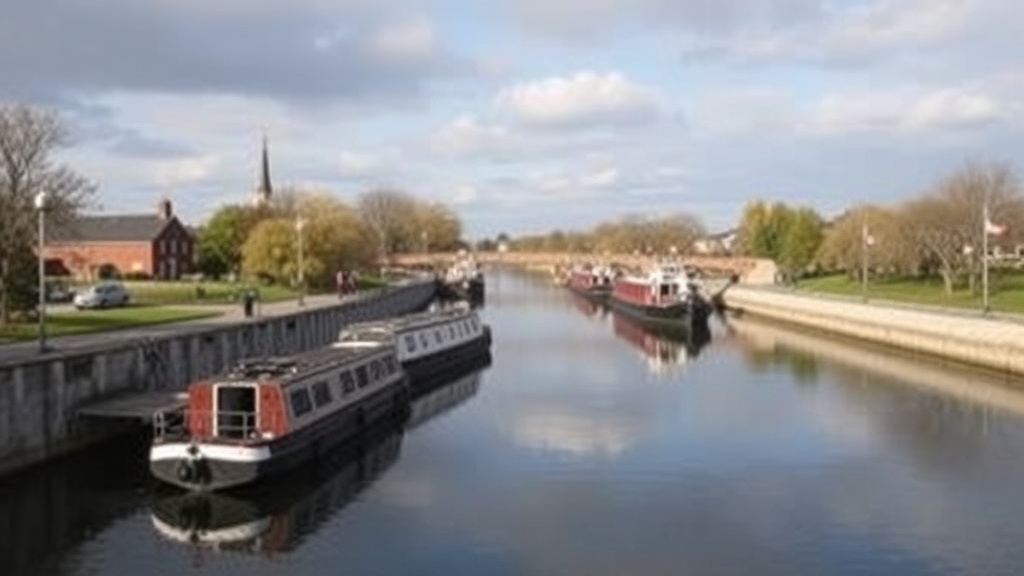
How to Spend the Perfect Day Exploring Thorold's Welland Canal

What You'll Experience Along the Welland Canal
This guide maps out a complete day exploring Thorold's stretch of the Welland Canal — from morning coffee with a view of massive ships passing through locks to afternoon trail walks and evening dinners at local spots most tourists miss. You'll get specific timing, real locations, and practical tips from someone who knows which viewing spots actually deliver and which ones waste your time. Whether you're a Niagara Region local looking for a new Saturday plan or a visitor wanting more than the standard Niagara Falls experience, this itinerary covers everything worth doing in Thorold's canal corridor.
Where Should You Start Your Morning on the Welland Canal?
Begin at the St. Catharines Museum & Welland Canals Centre on Lock 3 — it's the best introduction to what you're about to see. The museum opens at 9:00 AM (10:00 AM on Sundays), and arriving early means you'll catch the first ships of the day while they're still fresh and the crowds haven't arrived.
The viewing platform here sits directly above Lock 3, giving you a bird's-eye view of Great Lakes freighters being raised or lowered the full 43 feet between Lake Ontario and Lake Erie. These aren't small boats — we're talking 700-foot vessels that take up the entire lock chamber. The sight of a 30,000-ton ship squeezed into a concrete box with inches to spare never gets old.
Spend about an hour inside the museum. The exhibits explain why this canal matters — it bypasses Niagara Falls and allows shipping between the upper Great Lakes and the Atlantic Ocean. You'll learn about the four canal versions built since 1829 and the engineering failures that shaped the current route. The City of St. Catharines runs this facility well, and the staff actually know their stuff (not always a given at municipal museums).
The on-site café serves better coffee than you'd expect. Grab a cup, head back outside, and watch another ship transit while you plan your next move. Morning light hits the canal from the east here, making for excellent photos if that's your thing.
Timing Your Ship Watching
Ships don't run on a published schedule — they move when they move. That said, the morning rush typically happens between 8:00 AM and 11:00 AM as overnight traffic clears the system. The museum's website posts estimated arrival times, but don't treat these as gospel. Here's the reality of ship frequency throughout the day:
| Time Window | Typical Activity | Best Viewing Spot |
|---|---|---|
| 8:00 AM – 11:00 AM | Heavy traffic, multiple ships | Lock 3 viewing platform |
| 11:00 AM – 2:00 PM | Moderate, unpredictable gaps | Lock 7 Viewing Complex |
| 2:00 PM – 5:00 PM | Second rush period | Main Street bridge |
| 5:00 PM – 8:00 PM | Light traffic | DeCew House trails |
The catch? Ships sometimes bunch up. You might see three in an hour, then nothing for two hours. Plan accordingly.
What Should You Do During the Midday Lull?
Head to Lock 7 Viewing Complex — it's a 10-minute drive from Lock 3 and offers a completely different perspective. Unlike the elevated platform at Lock 3, Lock 7 puts you at ground level right next to the massive steel lock gates. When those gates open and close (controlled by hydraulic systems operating at 1,500 PSI), you feel it in your chest.
There's something hypnotic about watching a ship enter the lock. The process takes 20-30 minutes from start to finish — the ship enters, gates close behind it, water fills or drains, then the forward gates open and the ship continues. Most people watch for one cycle then move on. Don't be most people. The details matter — how the crew handles the mooring lines, the way the ship's captain inches forward with barely any clearance, the sound of the water turbulence as levels equalize.
Bring lunch. The complex has picnic tables with shade trees overlooking the canal, and there's a small snack bar if you didn't pack anything. The Sandtrap Pub (a 3-minute drive away) does solid fish and chips if you want a proper sit-down meal — nothing fancy, just fresh, well-executed pub food with canal views from their patio.
After eating, walk the Welland Canals Parkway Trail section that runs through here. It's flat, paved, and follows the canal for miles in either direction. You don't need to go far — even a 20-minute walk gets you away from the viewing complex crowds and into quieter territory where you might spot herons, turtles, and the occasional mink hunting along the banks.
Historic Detour Worth Taking
If you want a break from industrial spectacle, DeCew House Heritage Park sits 5 minutes east of Lock 7. This modest stone house played a role in the War of 1812 — Laura Secord reportedly arrived here after her famous walk to warn British forces of an American attack. The house itself is only open select weekends, but the grounds are always accessible and offer a peaceful contrast to the heavy machinery you've been watching all morning.
The walking trails here connect to the Bruce Trail network, so you could theoretically keep walking all the way to Tobermory if you had a few weeks to spare. For a day trip, the 2-kilometer loop around the house and adjacent DeCew Falls reservoir works perfectly.
How Do You End the Day Like a Local?
Evening in Thorold means finding a spot where you can watch the sun set behind the escarpment while ships continue their slow passage below. Here's the thing — most guides tell you to go back to Lock 3 or stick to the main tourist areas. They're wrong.
Instead, drive to Main Street in downtown Thorold and park near the bridge that crosses the canal. This is where Highway 20 crosses the water, and there's a small pedestrian walkway on the east side. From here, you're looking directly down at the canal from about 60 feet up. Evening light comes from the west, backlighting the ships and creating dramatic silhouettes against the water.
Dinner happens at The Leviathan — a proper local pub on Front Street that's been serving canal workers and residents since 1846. (Yes, really — the building dates to that era, though the current business is newer.) The menu runs heavy on comfort food — burgers, wings, steak sandwiches — but it's well-executed and reasonably priced. More importantly, the bartenders know the canal schedule and can tell you if anything interesting is passing through.
If you prefer something quieter, The Brogue Inn on Ormond Street offers Irish pub fare in a converted heritage building. Their patio catches the evening sun, and the beer selection rotates through Ontario craft options. Neither place requires reservations for casual dining, though weekends can get busy with locals.
Alternative Evening Options
Not hungry yet? The Short Hills Provincial Park entrance is 15 minutes south of Thorold and offers some of the best hiking in the Niagara Region. The Swayze Falls trail takes about 90 minutes round-trip and rewards you with a 15-foot waterfall that's surprisingly impressive after rain. Worth noting — this park closes at sunset, so time your visit carefully.
Or stick closer to the canal and walk the Towpath Trail that runs between Locks 4 and 5. This narrow dirt path follows the original 19th-century canal route — the one that was abandoned when the current, larger canal was built. It's rougher than the main parkway trail (expect roots and mud after rain), but you're literally walking on history. The old stone walls and lock remnants make for excellent exploration, and you'll likely have the place to yourself after 6:00 PM.
What Should You Actually Pack for a Canal Day?
Thorold's weather does what it wants. Morning fog off Lake Ontario can drop temperatures 10 degrees below the forecast, then afternoon sun on exposed concrete viewing platforms creates serious heat. Layers aren't just recommended — they're necessary.
Bring binoculars. Ship identification becomes a sport once you get into it, and reading vessel names from the viewing platforms requires magnification. The Nikon Prostaff 3S 8x42 offers good clarity without breaking the bank, though honestly any decent pair works.
Sunscreen matters more than you'd think. The water in the canal reflects UV aggressively, and there's minimal shade at the main viewing complexes. A wide-brimmed hat beats a baseball cap here — you're looking up at ships and down at water, and neck sunburns are no joke.
Footwear should handle both paved trails and potentially muddy side paths. The Merrell Moab 3 works well — comfortable for walking, grippy enough for the occasional steep slope down to the water's edge, and not so technical that you look ridiculous at a pub lunch.
Don't forget cash for parking at some of the smaller viewing areas. While Lock 3 and Lock 7 have free lots, the independent spots along the canal sometimes use honor boxes. Having a few loonies and toonies prevents awkward situations.
Final Tips From Someone Who's Been There
Check the Welland Canal community tracking sites before you leave — not the official government sites (which are terrible), but the enthusiast-run platforms that actually post real-time ship locations. The community around Great Lakes shipping is passionate and surprisingly accurate.
If you see a ship called a "laker" (stays within the Great Lakes) versus a "salty" (ocean-going vessel that transits the St. Lawrence Seaway), watch the salty more carefully. The foreign crews often stand on deck waving — they've been at sea for weeks and appreciate the attention. Lakers are businesslike — professional crews doing a job, less interactive but no less impressive.
The best photos happen when you're patient. Don't just snap a ship entering a lock and move on. Wait for the gates to close. Wait for the water to start churning. Wait for that moment when the ship rises or falls and suddenly the landscape changes around it. That's the shot that captures what the Welland Canal actually means — human engineering bending geography to commerce, 200 years and counting.
End your day back at one of the viewing platforms after dark if you can. Ships run 24/7, and watching a 700-foot freighter lit only by its own running lights glide silently through a lock chamber is an entirely different experience from daytime viewing. The canal doesn't sleep. Neither should your appreciation of it.
Steps
- 1
Start at the St. Catharines Museum & Welland Canals Centre
- 2
Walk the viewing platform and watch ships rise and fall
- 3
Explore Historic Downtown Thorold and local eateries